
Household appliances hide dozens of solenoids behind the panel: the water valve that starts a wash cycle, the detergent flap that snaps open mid-programme, the latch that holds a dishwasher door shut against pump pressure and cabinet vibration. An average home contains between fifteen and thirty electromagnetic actuators, each expected to be quiet, cheap, efficient — and to last ten years of domestic use. That combination of constraints makes appliance solenoid design a discipline of its own.
The constraint set also explains the supply chain: appliance solenoids are ordered in the millions, audited annually, and second-sourced aggressively. A manufacturer who wants that business is really selling process stability — the ability to deliver the same coil, year after year, at a price that only moves with copper.

Water Inlet, Drain and Dosing
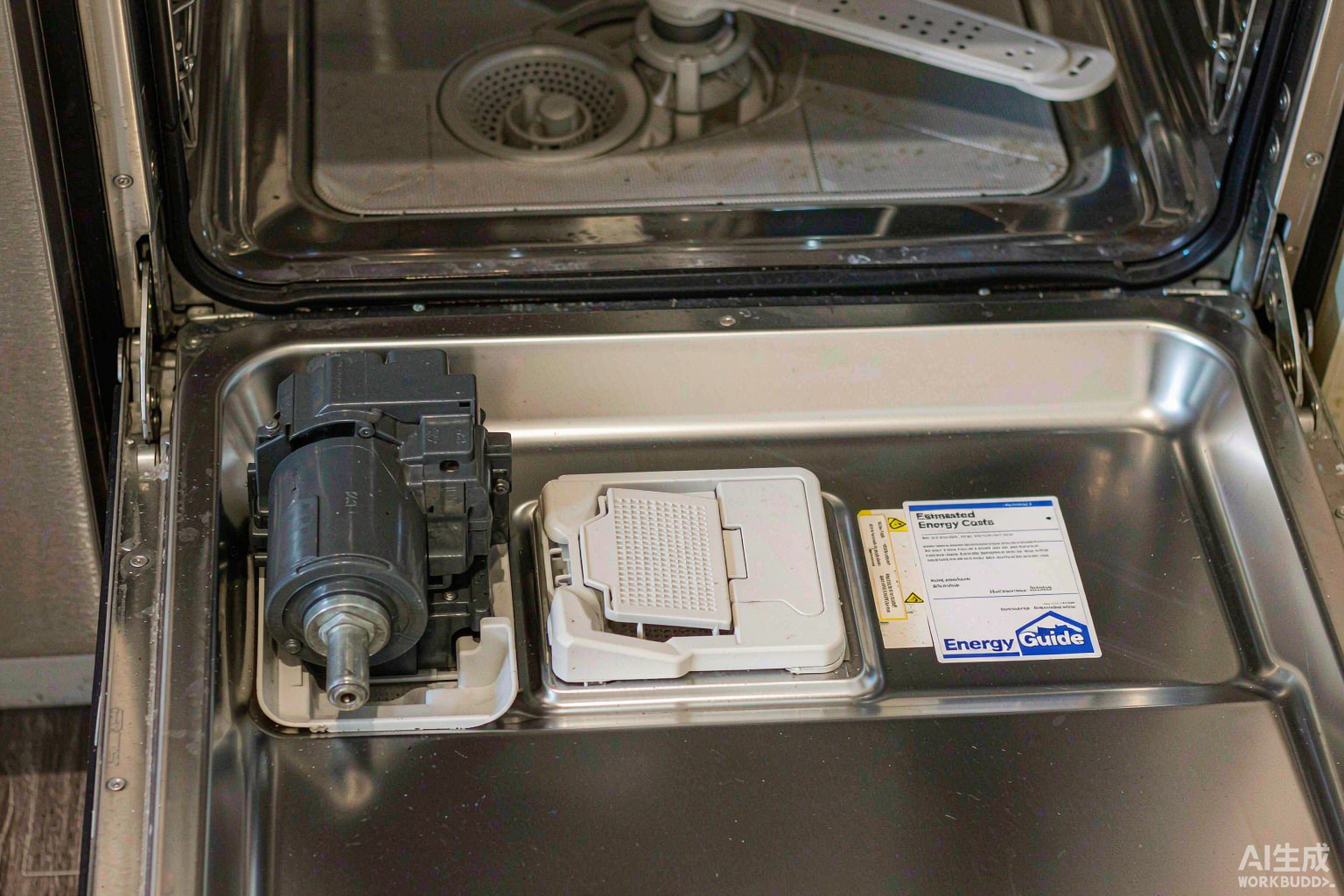
Washing machines and dishwashers use solenoid valves to start and stop water flow — typically 220 V AC or 24 V DC dual-coil assemblies rated for millions of open/close cycles against full mains water pressure. The valve must seal at minimum household voltage and open cleanly at maximum, so force is specified across the whole supply tolerance, not at nominal. Drain pumps and softener systems add further valves and diverters, each a small inductive load the controller must drive reliably for the life of the machine.
Hammer and surge are the hidden enemies here. Every closure of a household valve is a water-hammer event; the valve body, the coil’s closing speed and the mounting all interact, and a solenoid that closes too violently will outlive the plastic around it. Manufacturers tune the plunger damping and spring preload to close fast enough for the cycle time but gently enough for the plumbing — one more reason the valve is engineered as a system, not purchased as a part.
Detergent drawers and dispenser flaps use small push-pull actuators that snap the gate open mid-programme. A rubber damper keeps the snap below the 40 dB(A) noise target that premium appliances now advertise — a detail end users notice far more than force or speed.
Doors, Latches and Safety Interlocks
Electromagnetic latches hold washer doors closed during the spin cycle — against significant drum imbalance loads — and release only when the controller confirms the drum has stopped. The same principle guards oven doors on self-clean cycles and microwave interlocks. Because the latch is a safety component, appliance makers test it through tens of thousands of forced-open cycles and specify failsafe behavior precisely: no power means no unlock, or the reverse, depending on the safety standard the machine is built to. Our door lock solenoid range is the starting point for these designs.
Validation for appliance latches runs to the extremes domestic life actually produces: door slams by children, racks loaded out of balance, cleaning sprays on the panel, years of humidity cycles. Accelerated life tests combine these into tens of thousands of mixed cycles, and the latch specification that survives them is worth more than any catalogue figure.
Robot Vacuums, Smart Bins and Smart Furniture
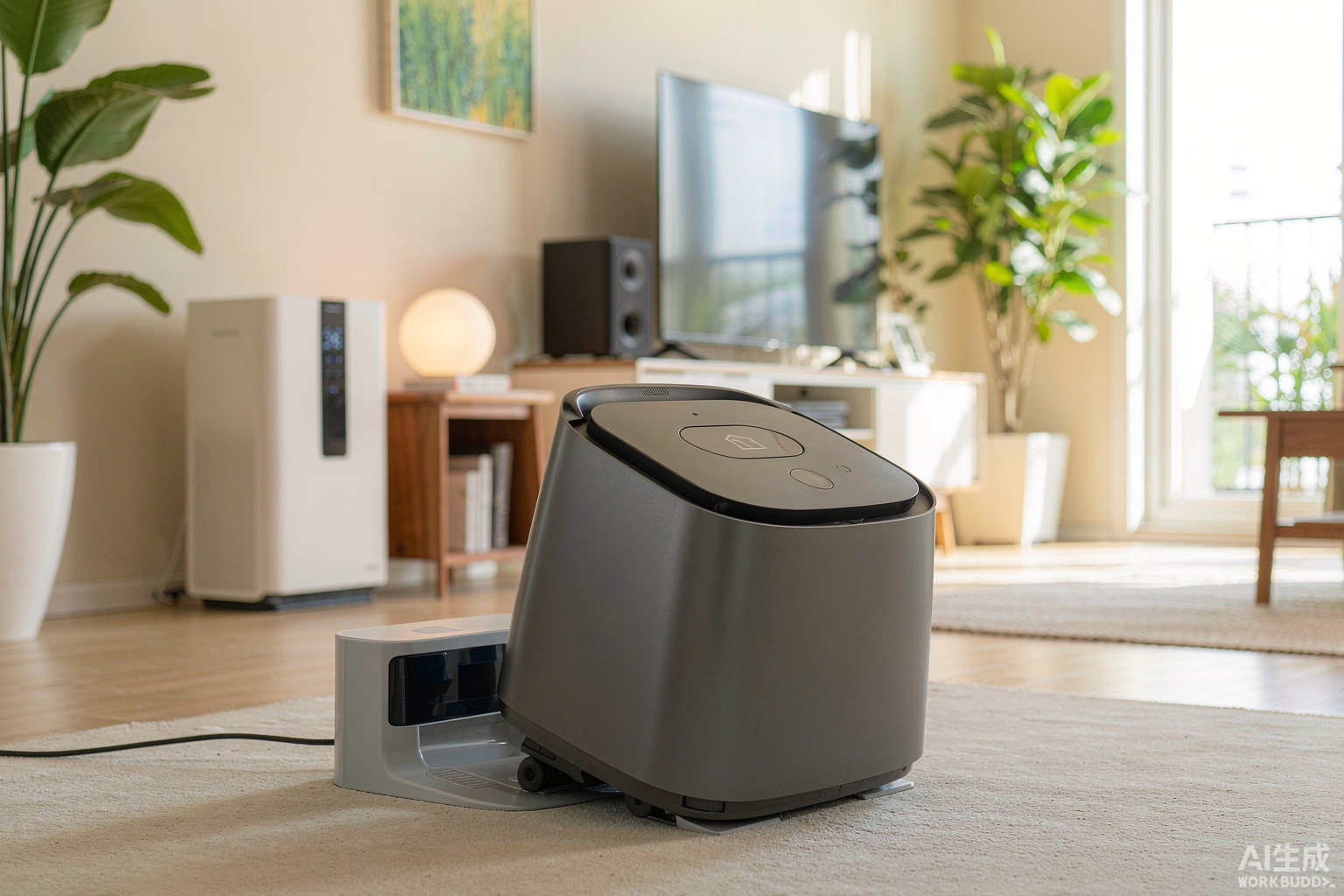
The newest wave of appliance solenoids is in smart devices. Robot vacuums use miniature push-pull actuators for bin-lid release and brush-height adjustment, chosen for battery economy above all — a bistable coil that holds with a pulse instead of continuous current stretches every cleaning run. Smart bins, pet feeders and medicine cabinets follow the same pattern: short strokes, low duty, long idle.
Smart furniture — motorized beds, lift cabinets, hidden compartments — uses low-noise holding or bistable solenoids to latch each stage between motor movements, so the mechanism locks positively without the motor fighting the screw all night.
The selection rule in this segment is simple: the actuator that draws the least average current wins, even at a slightly higher unit price, because every milliamp saved becomes marketing language about runtime. That is why bistable and low-hold designs keep displacing conventional coils in new smart-device platforms.
The Home-Appliance Constraint Set
- Cost versus ten-year life. BOM pressure is aggressive, yet the actuator must survive a decade of intermittent cycling in humid heat — coil insulation class for 60 °C+ cabinets and corrosion-plated hardware are non-negotiable.
- Noise. Under 40 dB(A) with dampers or biased return springs; premium brands now market silence as a feature.
- Voltage tolerance. Household mains sags and surges; force must hold at the extremes, and our force, stroke and duty cycle guide shows how to verify this.
- Idle energy. For devices that wait most of the day — smart locks, dispensers, feeders — bistable coils remove holding current entirely; the trade-offs are in our bistable vs standard comparison.
Testing and Life Validation
Appliance solenoids are proven in environmental chambers, not just on force gauges. A representative validation plan cycles the actuator at maximum load and minimum voltage inside a 60 °C, 90 percent relative-humidity chamber, measures force drift and pull-in delay at intervals, and finishes with a teardown of the plunger guide and pole faces. Valves add pressure cycling at mains water surge; latches add forced-open abuse cycles. The devices that pass ten simulated years of this are the ones that never appear in warranty statistics — which, for an appliance brand, is precisely the point.
OEM Customization
Appliance solenoids are nearly always customized: bracket shape, connector, waterproofing grade and noise damping tuned to the cabinet. Cixin Industrial manufactures custom solenoids for home appliance OEMs and ODMs — from household water valves to smart furniture actuators — with life testing under real humidity and temperature conditions.
Need a solenoid sized for your mechanism? Talk to our engineering team about stroke, force, duty cycle and voltage before you freeze the layout.