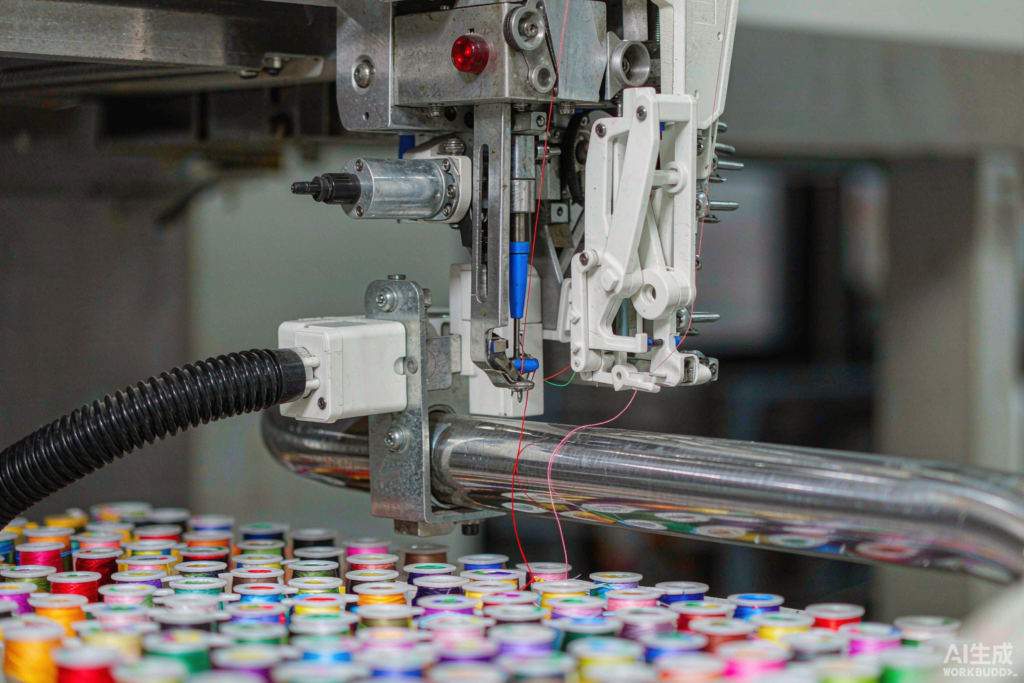
Solenoids in Textile Machinery: Applications That Matter
Solenoids drive thread trimming, needle selection and yarn tension in textile machines. See the real applications and how to specify stroke, force and duty cycle.
Solenoids drive thread trimming, needle selection and yarn tension in textile machines. See the real applications and how to specify stroke, force and duty cycle.
The five stages of a custom solenoid project: specification, magnetic design, prototype, validation and ramp-up, with realistic timing and cost drivers.
Read a force-stroke curve correctly, account for coil temperature rise and voltage sag, then calculate duty cycle so the solenoid survives inside the enclosure.
Solenoid valve types explained: 2-way vs 3-way, normally closed vs normally open, direct-acting vs pilot-operated, plus body, seal and coil selection rules.
Bistable latching versus standard solenoid: holding force without current, release paths, shock sensitivity and when the extra cost pays for itself.
How to specify solenoid latch locks for smart lockers: holding force, unlock pulse, fail-safe vs fail-secure and the durability tests that matter in the field.
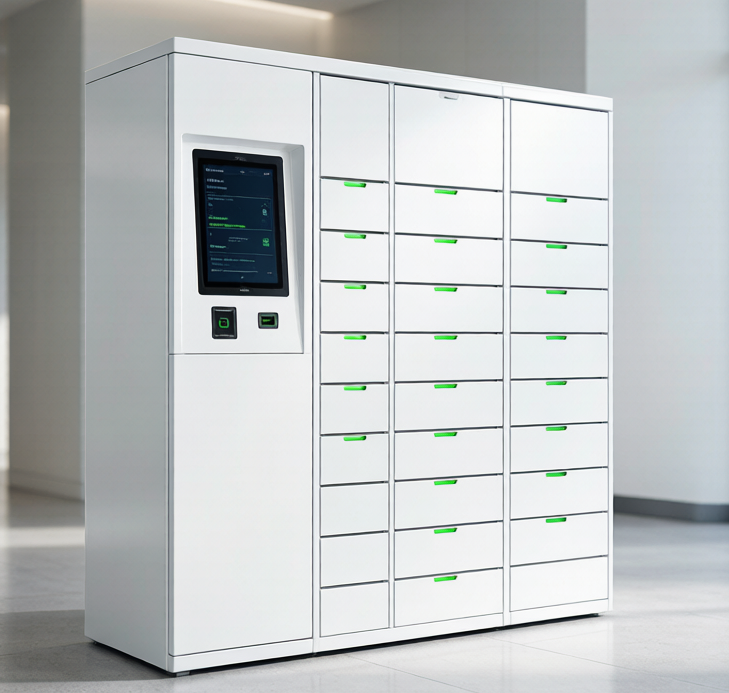
Electromagnets in parcel lockers and vending machines: latch design, jam recovery, power budgeting and the cycle-life targets these machines actually need.
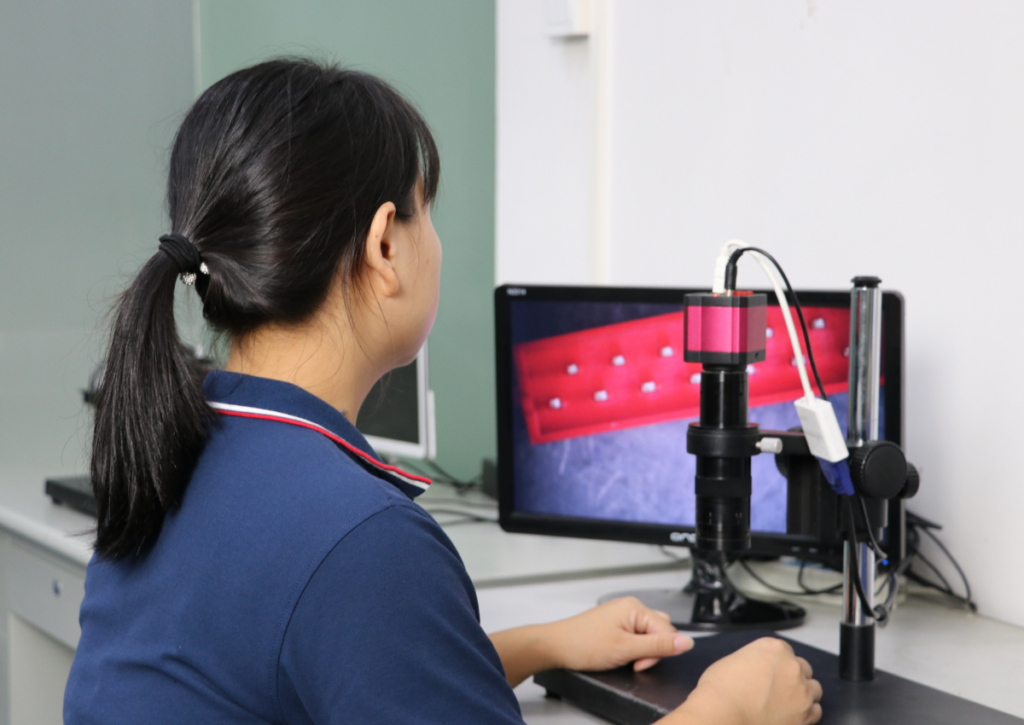
Electromagnets in textile machinery: yarn tensioning, needle selection, dobby actuation and warp stop motions, with duty cycle and dust resistance considerations.
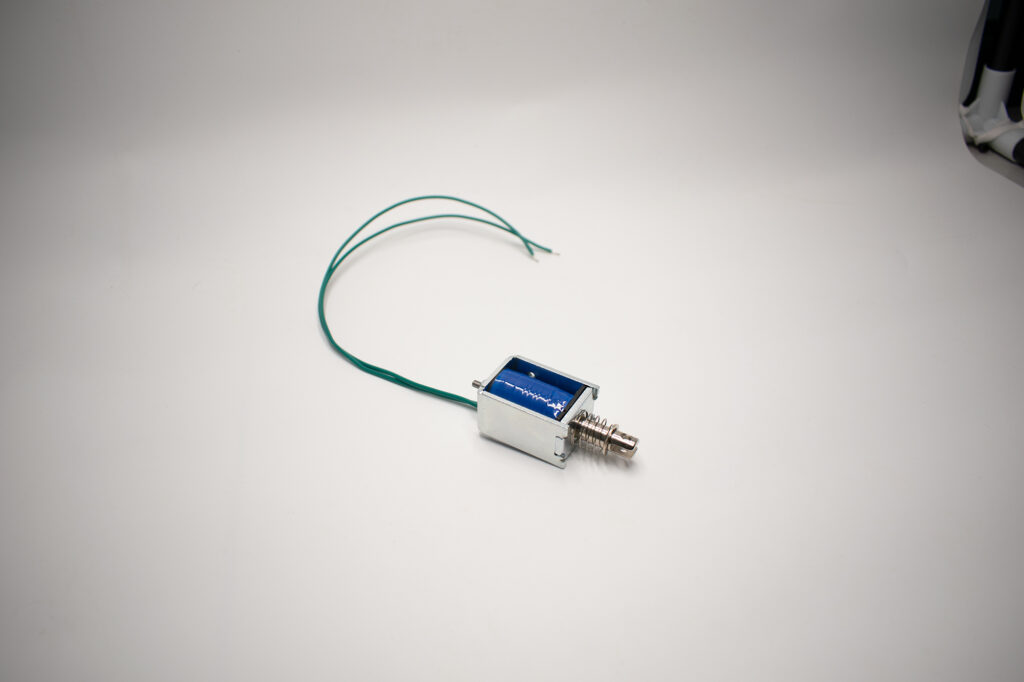
What automated equipment manufacturers should ask an electromagnet supplier: engineering depth, in-house winding, traceability, change control and lead time.
Three medical device electromagnet projects in detail: insulin pump dosing, surgical robot braking and MRI positioning, including the specs and test results.