

Medical equipment asks more of a solenoid than almost any other industry. An infusion pump may cycle its fluid valve hundreds of thousands of times per year; a pill dispenser must deliver one crisp, silent dose per command, thousands of times a day; a laboratory analyzer opens and closes sample bays all shift long. Every one of those movements happens centimetres from a patient or an operator, inside a warm, space-constrained and noise-sensitive enclosure.
Cixin Industrial supplies electromagnets for infusion and dosing systems, laboratory automation and healthcare monitoring devices. This page walks through the real application points and the specifications that decide whether a medical solenoid survives qualification.

Fluid Control: Pinch Valves and Pumps
Fluid control is the flagship application. Pinch valves and tube clamps driven by small solenoid actuators open and close the fluid path in dosing and infusion equipment without the fluid ever touching the mechanism. Response consistency matters more than raw force: the controller needs to know exactly when the tube is fully closed, cycle after cycle, because a partially closed tube silently changes the dosing rate.
Peristaltic and diaphragm pumps use solenoids to actuate the compression element directly. Here coil heating under continuous cycling becomes the life-limiting factor — duty curves, not peak force, decide whether the pump survives a 24-hour ward shift. Bifilar windings and pulse-width-modulated drive can cut holding power by 50–80 % when the mechanism needs to stay energized between doses.
Sizing starts from the tube, not from the catalogue. The designer measures the closing force the tube needs at its stiffest condition — a new tube lot, cold fluid, worst-case clamp geometry — then adds margin for wear, and only then selects a coil whose force-stroke curve covers that point at the minimum supply voltage. Working backwards from a catalogue part is how dosing pumps end up marginal at end of life.
Materials and cleanliness extend to the fluid path as well. Silicone tubing grades differ in stiffness and memory, and a clamp tuned for one lot may under-close the next; specifying the tube together with the actuator — or asking the supplier to validate two or three tube lots — removes an entire class of late-stage surprises in pump development.
Dispensing, Clamps and Safety Locks
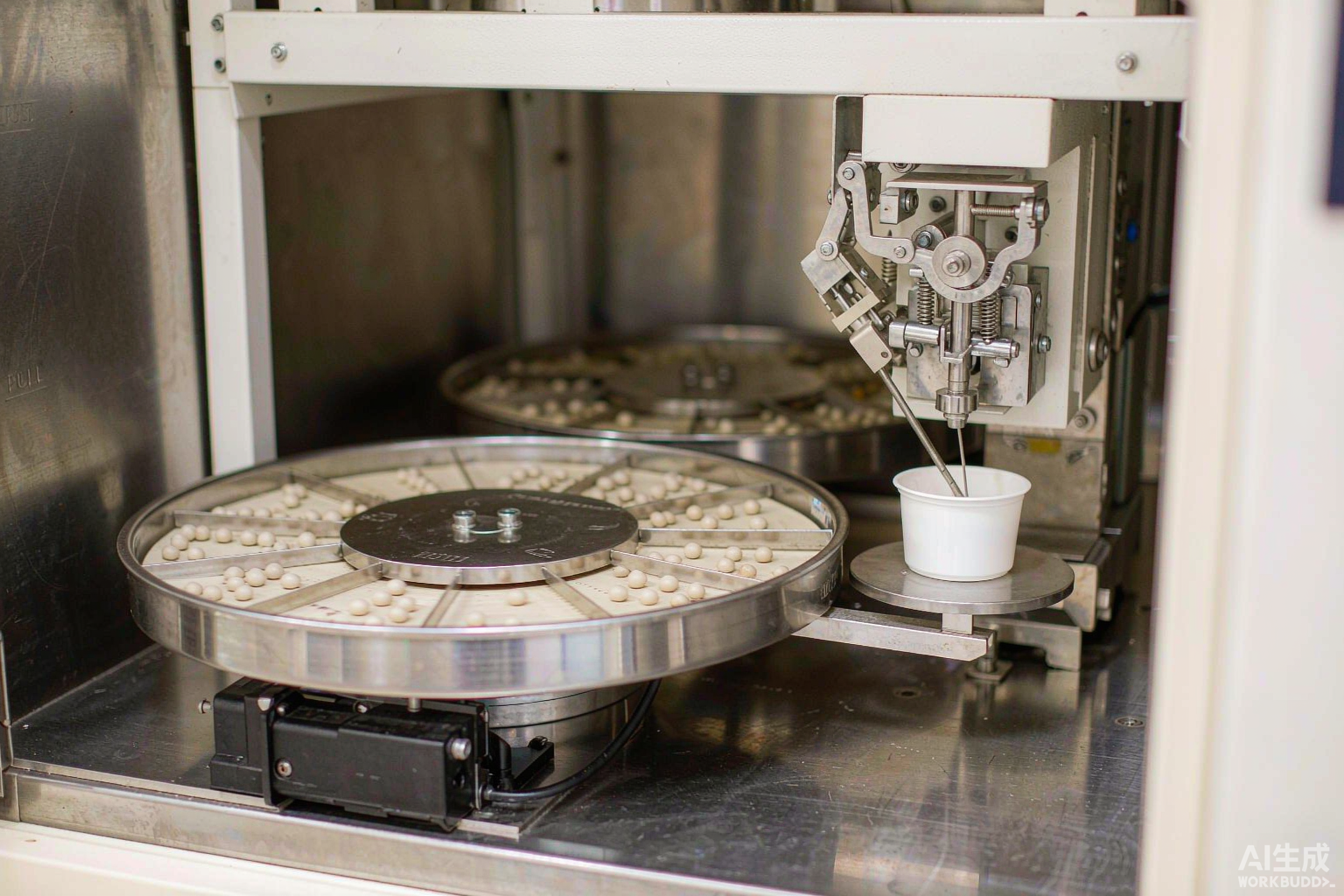
Automatic pill dispensers use short-stroke push-pull solenoids to rotate or release a metering gate — one movement per dose, silent, with enough force to break light powder bridging but gentle enough not to crush tablets. Cycle counts run into the thousands per day in pharmacy robotics, so a low-mass plunger and a stiff return spring keep the response time stable over years.
Dosing accuracy is the quiet requirement behind all of this. The controller commands a gate or valve and assumes the mechanism answered identically every time; any drift in pull-in delay shows up directly as dose error. That is why medical designs favor actuators with repeatable response over the whole temperature range, and why acceptance testing usually measures pull-in time at cold, room and hot coil resistance — not just force.
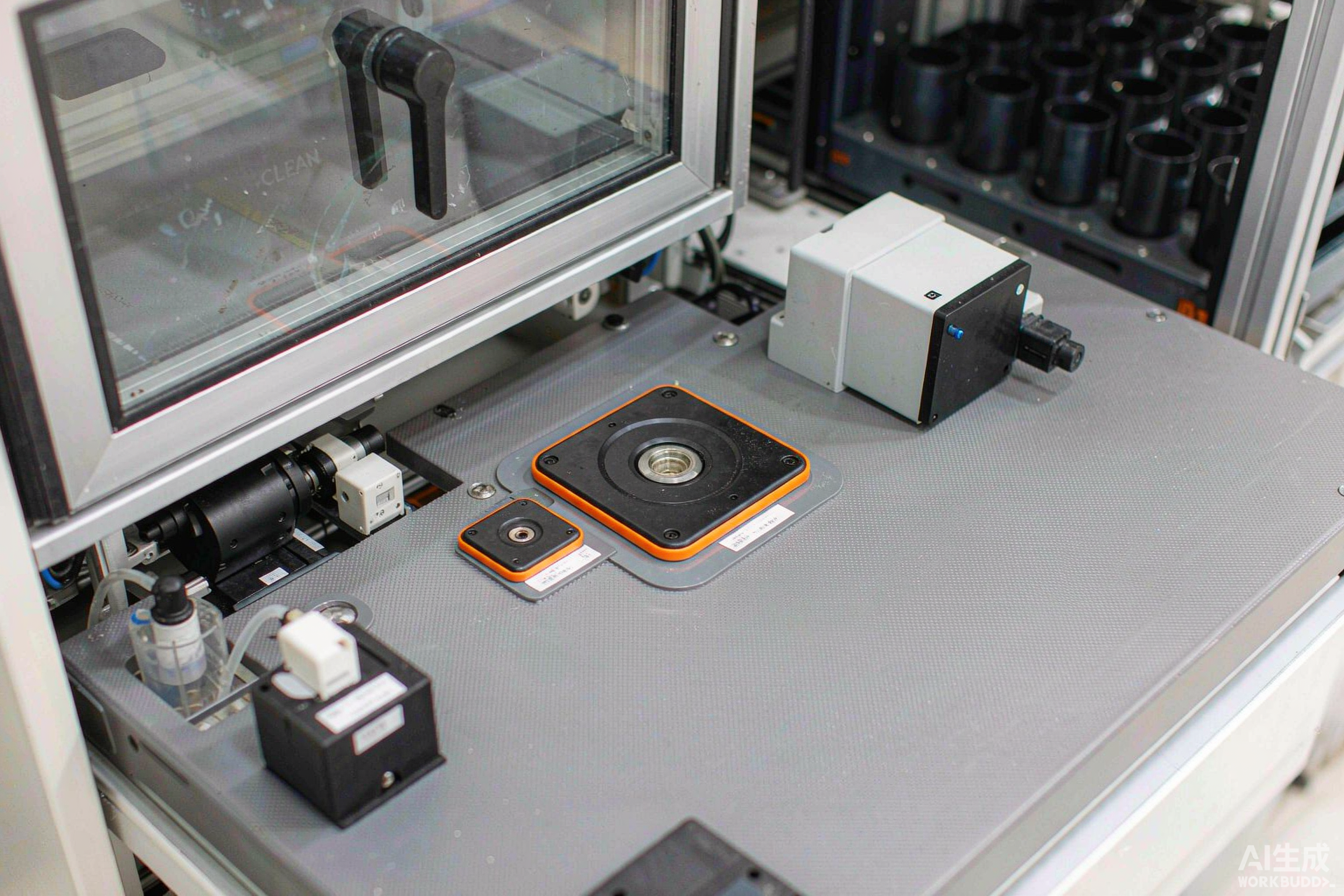
Instrument drawers, sample bay doors and probe housings use electromagnetic locks that release only on command — similar to our door lock solenoids but sized and shaped for handheld and benchtop medical housings. In diagnostic analyzers, an integrated position flag or micro-switch confirms that the drawer really did lock: a small detail that prevents a whole class of sample-handling errors.
What Medical OEMs Should Check
- Force at end of stroke. Specify the force where the mechanism actually closes the tube or gate, not mid-stroke, and demand the duty-cycle curve at your real ON/OFF ratio — see our force, stroke and duty cycle guide.
- Low power. For battery-powered and wearable devices, bistable (latching) coils hold position with a pulse and cut average draw dramatically; the trade-offs are explained in our bistable vs standard comparison.
- Materials. Plungers and housings must survive repeated wipe-down with hospital disinfectants; coils need an insulation class rated for continuous operation inside a warm enclosure, with low outgassing for sealed devices.
- Noise. Patient-adjacent actuators should stay under 35–40 dB(A); dampers and spring returns do most of the work.
Compliance, Cleanliness and Testing
Medical solenoids are qualified differently from industrial ones. Design reviews expect documented cycle-life data at the device’s real duty cycle, coil insulation certificates, and material declarations for anything near the fluid or patient path. Cleanliness matters inside the mechanism too: molding or wiping residue on the plunger changes friction over life, so reputable suppliers control and document their assembly environment. Plan the qualification early — a solenoid that passes functional testing but arrives without the paper trail can hold up a regulatory submission for months.
Custom Development for Medical Devices
Most medical solenoids end up customized: a special flange for the pump head, a medical-grade winding with reinforced insulation, an integrated position flag for feedback, or a miniature form factor for a handheld housing. Because qualification cycles are long, prototype support matters as much as unit price — a supplier who can iterate the coil, spring and geometry quickly saves months on the development timeline.
Traceability rounds out the package: medical OEMs typically require lot-level records for wire, insulation and plunger materials, so the supplier’s process discipline becomes part of the device’s own documentation.
Cixin Industrial offers custom solenoid development with prototype support for equipment manufacturers, covering fluid valves, dispensing actuators and electromagnetic locks for medical and laboratory applications.
Need a solenoid sized for your mechanism? Talk to our engineering team about stroke, force, duty cycle and voltage before you freeze the layout.