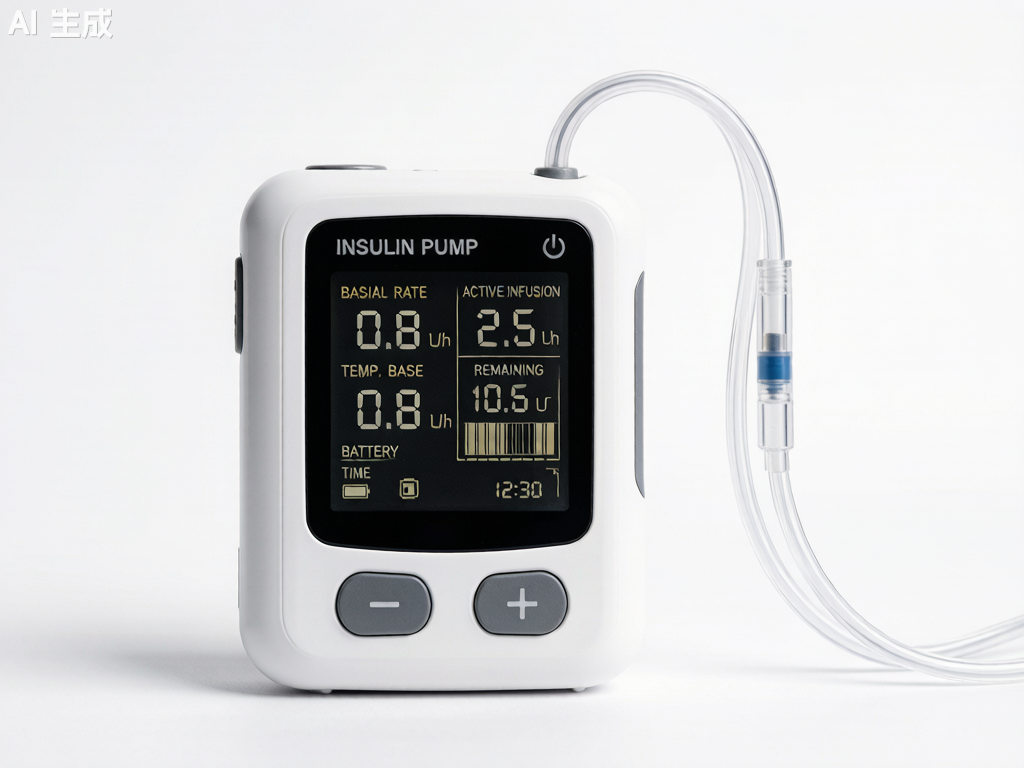
Electromagnets in Medical Devices: Applications
Electromagnets in medical devices: insulin pumps, surgical robots, analyzers and dialysis equipment, with the validation and traceability requirements involved.
Electromagnets in medical devices: insulin pumps, surgical robots, analyzers and dialysis equipment, with the validation and traceability requirements involved.
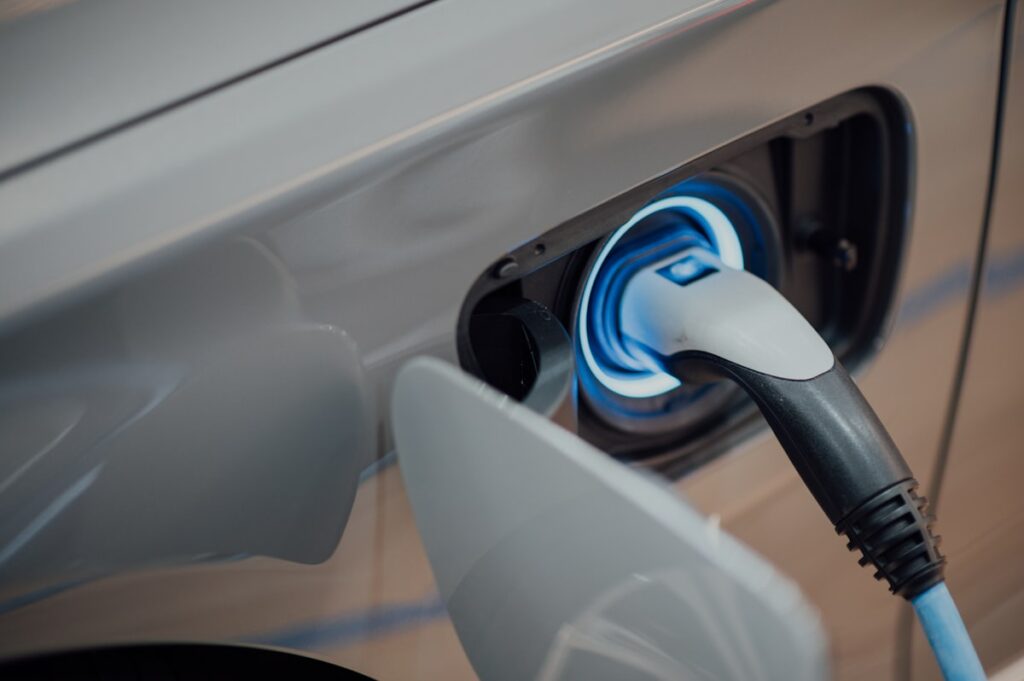
Electromagnet and solenoid applications in new energy vehicles: battery disconnects, thermal management valves, charging locks and the specs each one demands.
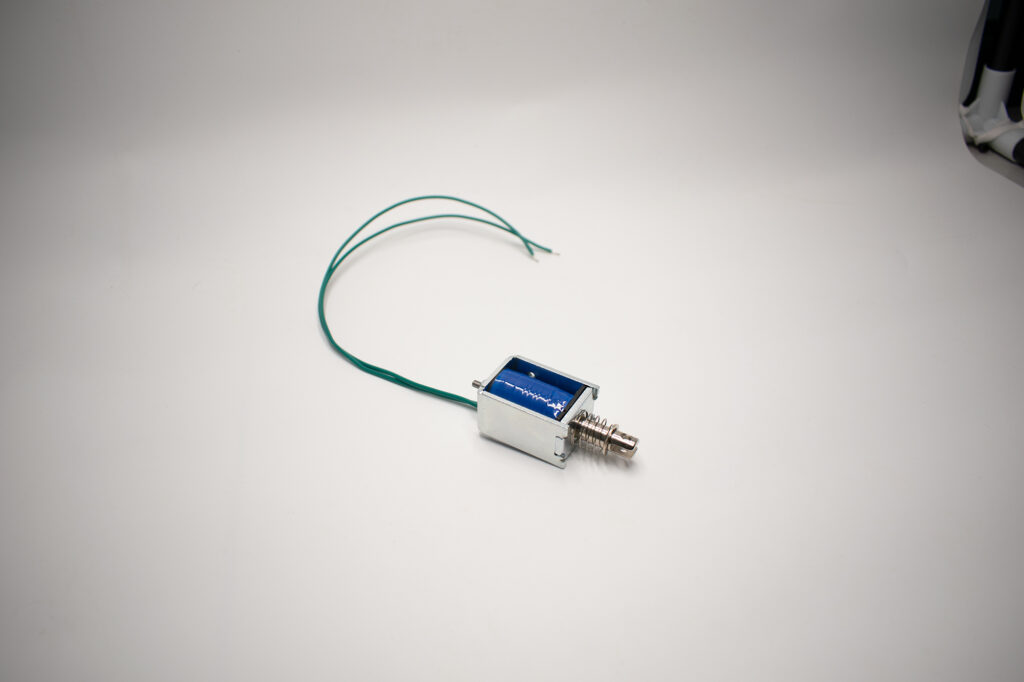
How automation equipment builders use electromagnets and solenoid valves: sorting, clamping, dispensing and locking, with measured cycle data from real projects.
Solenoid types compared: push-pull, tubular, holding, bistable, rotary and valve designs, with selection criteria, force-stroke data and sourcing checklists.
The real cost drivers behind solenoid valve quotes from China: coil copper, plunger material, seal grade, machining tolerance, tooling amortisation and volume.

A sample testing protocol for solenoid valves: force-stroke measurement, leak rate, coil temperature rise, cycle life and the acceptance criteria to agree on.
Solenoid valve compliance for export: which CE directives apply, when UL is required, how ISO 9001 and RoHS documentation should be structured and verified.
Design and sourcing guide for solenoid valves used in smart locks: holding force, unlock current budget, fail-safe behaviour and battery-life trade-offs.
What drives custom solenoid valve MOQ and lead time in China: coil tooling, plunger machining, seal sourcing and the batch sizes that keep unit cost sane.
How to qualify a solenoid valve supplier in China: engineering response time, tooling ownership, sample traceability and audit-ready quality records.